Ultimate Guide to Vehicle Repair Services: Discovering a Dependable Auto Mechanic Close to You
Finding a reliable auto mechanic is vital for maintaining your vehicle and ensuring safety. Many deal with common repair challenges that can create costly surprises and aggravation. Understanding the types of services offered and knowing what to look for in a mechanic can significantly affect both performance and budget. With the right approach, anyone can forge a strong connection with a mechanic. Still, the journey to finding that right professional involves several important steps and considerations.
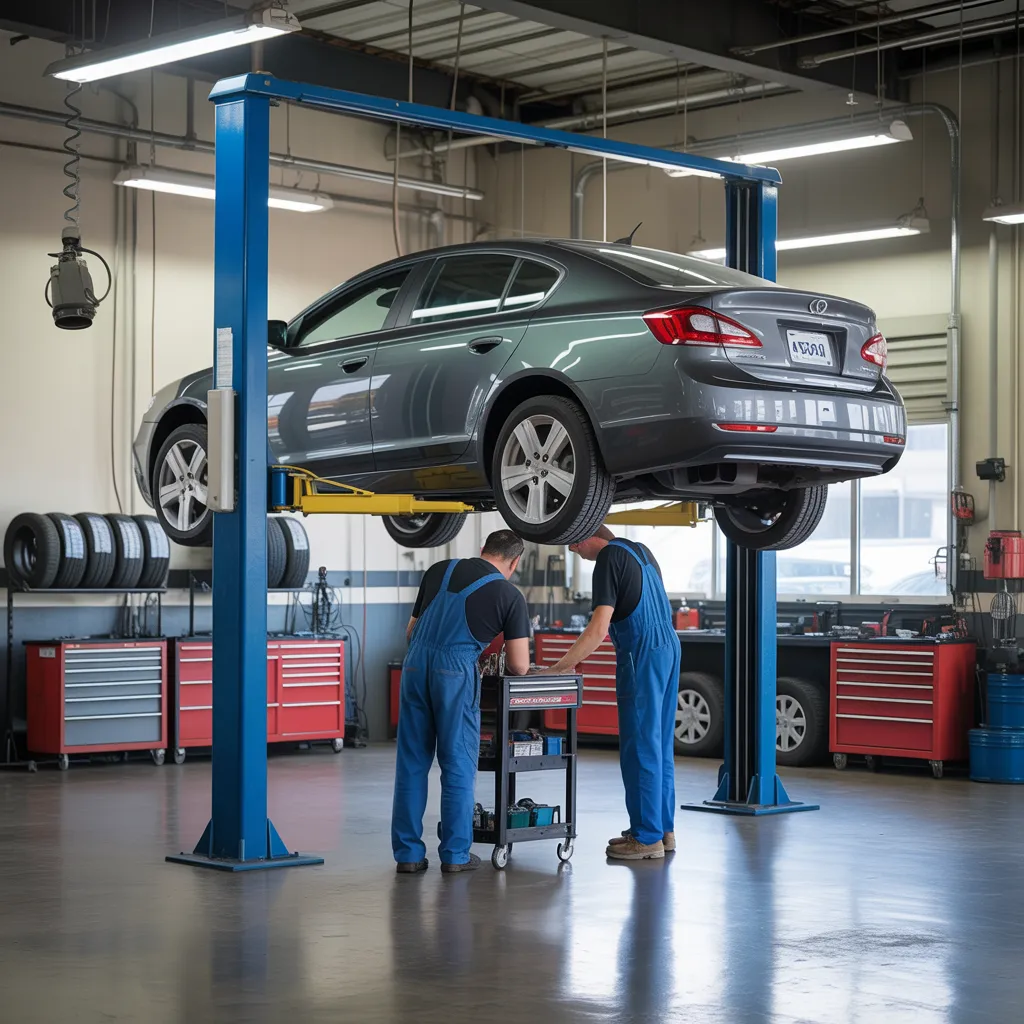
Common Auto Repair Challenges and How to Overcome Them
What difficulties do automobile owners often experience when searching for repair services? Numerous people face a lack of clarity regarding repair expenses and services provided. In many cases, estimates do not account for all underlying issues, causing unanticipated charges. Moreover, trust poses a considerable challenge; automobile owners may question the expertise of mechanics, concerned they might be taken advantage of or misguided. Timing issues can further complicate matters, as overcrowded repair shops may struggle to address immediate concerns. Moreover, limited knowledge about common car issues can leave owners vulnerable to unnecessary repairs. In order to navigate these obstacles, conducting proper research is key. Studying feedback and asking for referrals can assist in locating trustworthy service providers. Additionally, obtaining multiple estimates can provide clarity on fair pricing. Finally, educating oneself about basic car maintenance can empower owners, enabling them to engage more effectively with service providers and make informed decisions about their vehicle's care.
Types of Car Repairs and Finding the Right Auto Mechanic
Car owners must navigate various types of repairs, all of which demand specialized skills and understanding. Common repairs include engine diagnostics, brake services, transmission work, and electrical system repairs. Engine diagnostics rely on detecting faults with the help of cutting-edge instruments, while brake services focus on guaranteeing optimal safety and performance. Transmission repairs tend to be intricate, frequently requiring expert knowledge, and electrical system repairs address problems with wiring and components.
When searching for an auto mechanic, it is vital to take into account the type of service needed. Mechanics often specialize in certain areas, making it necessary for car owners to align their vehicle's particular problems with the mechanic's skill set. Furthermore, understanding of the car's make and model can streamline the repair process. By knowing the types of repairs required and finding the right auto mechanic, car owners can be confident their vehicles receive the right care, leading to greater dependability and extended vehicle life.
What to Search For in a Dependable Auto Mechanic
When seeking a dependable car mechanic, how does one determine they are making the right choice? Essential elements to assess include experience, certifications, and customer reviews. A trustworthy mechanic typically possesses certifications from recognized organizations, demonstrating they have completed thorough training and follow industry guidelines. Additionally, experience plays a vital role; a mechanic with several years in the field will probably demonstrate greater familiarity with a wide range of vehicle models and concerns.
Customer testimonials give helpful details into a mechanic's trustworthiness and work quality. Good feedback and elevated scores can suggest a trustworthy professional. Moreover, honest pricing and effective communication are critical qualities. A trustworthy mechanic should provide detailed estimates and explain repairs in understandable terms. Finally, a solid warranty on parts and labor can indicate confidence in their work, giving the car owner reassurance.
Researching Local Mechanics Effectively
How does one go about researching local mechanics to make an informed choice? To begin, making use of online resources is key. Platforms such as Yelp and Google Reviews offer customer opinions and ratings, shedding light on mechanics' standings. Moreover, social media networks can be useful in pinpointing nearby options and amplifying community endorsements.
An additional useful approach includes reaching out to friends or family for recommendations, as firsthand experiences frequently provide reliable recommendations. Visiting local automotive forums can also prove beneficial, where passionate community members exchange their insights and suggestions.
Once a few potential mechanics are identified, verifying certifications and memberships with professional organizations, including the Automotive Service Association (ASA), can enhance confidence in their qualifications. Furthermore, stopping by professional advice the shops personally allows for evaluating cleanliness, organization, and customer service, further informing the decision-making process. Engaging in thorough research guarantees that individuals can choose a mechanic who meets their needs and expectations.
Critical Questions to Pose to Your Mechanic?
When looking for auto repair services, it is crucial to inquire with the right questions to guarantee high-quality care. Find out about the technician's experience and qualifications, as well as the range of services they offer and their pricing structure. These questions can help set clear expectations and foster trust in the maintenance process.
Background and Qualifications
Selecting the right mechanic can greatly influence a vehicle's reliability and lifespan. When considering potential mechanics, it's crucial to inquire about their background and credentials. Prospective clients should ask how long the mechanic has been in the industry and whether they have expertise in specific vehicle makes or models. Furthermore, qualifications from established bodies, such as the National Institute for Automotive Service Excellence (ASE), can demonstrate a mechanic's commitment to professional standards. Looking into ongoing training and education is also beneficial, as it reflects a mechanic's dedication to staying informed about the latest technology and repair techniques. Finally, reading reviews or seeking recommendations can offer important information about a mechanic's reliability and skill level.
Available Services and Pricing
Comprehending the breadth of services provided and their associated pricing is important for every car owner seeking reliable car repair. Vehicle owners should seek information on specific services such as oil replacements, brake maintenance, tire rotations, and diagnostics. It is essential to request a comprehensive breakdown of fees, including labor and parts. Price transparency can avoid surprise costs and foster reliability. Moreover, vehicle owners should explore whether the auto repair specialist provides service guarantees, as this can indicate confidence in their work. Reviewing rates across local repair shops can also help determine fair rates. At the end of the day, raising these essential inquiries ensures that automobile owners make informed decisions regarding the care and maintenance of their cars.
Characteristics of a Reputable Auto Repair Shop
A reputable auto repair shop demonstrates several important characteristics that set it apart from less reliable establishments. First, transparency is fundamental; a reliable shop delivers comprehensive, accurate estimates and communicates the recommended repairs without resorting to technical terminology. Furthermore, customer reviews and recommendations carry great importance; positive feedback from previous clients regularly signifies a dedication to excellent service.
Another significant factor is the presence of credentialed mechanics. Garages hiring ASE-certified mechanics showcase a standard of knowledge and competence that strengthens credibility. Additionally, a reputable auto repair shop upholds a neat and orderly setting, demonstrating its focus on excellence and thoroughness.
Lastly, a dependable establishment focuses on customer service, ensuring that clients feel recognized and supported. This entails checking in on repairs and resolving any issues in a timely manner. Combined, these qualities establish an environment where customers can feel secure in the care they receive.
Why Routine Maintenance and a Reliable Mechanic Are Important
Routine maintenance plays a vital role in extending the life of a vehicle and guaranteeing top-level performance. A skilled mechanic not only offers consistent service but also spots underlying concerns before they become serious, which translates to savings on repair costs. Appreciating these aspects emphasizes the importance of a proactive approach to car care.
Benefits of Preventive Maintenance
Routine preventive maintenance can significantly extend a vehicle's lifespan and improve its performance. Scheduled inspections and timely maintenance, such as tire rotations and oil changes, can identify potential problems before they turn into expensive problems. This forward-thinking approach not only cuts expenses but also ensures the vehicle runs efficiently, improving fuel economy and reducing emissions. Moreover, adhering to a scheduled maintenance plan can copyright the manufacturer's warranty, providing additional peace of mind. A properly maintained vehicle is also safer, as routine checks can address vital components like braking systems and steering. Ultimately, routine maintenance builds reliability and improves the driving experience, making these services a priority for vehicle owners.
Why a Trustworthy Mechanic Matters
Commonly underappreciated, the importance of having a trustworthy mechanic should not be underestimated. A skilled mechanic serves as an invaluable partner in vehicle ownership, providing not only expertise but also peace of mind. Routine upkeep performed by a qualified expert helps reduce the risk of sudden repairs and prolongs vehicle longevity. Dependable automotive professionals build partnerships based on honesty and open dialogue, ensuring that car owners are made aware of necessary repairs and maintenance schedules. This creates an atmosphere where customers are assured in their choices, preventing the drawbacks of unreliable repairs. Ultimately, a good mechanic is indispensable, helping to maintain vehicle safety and performance while reducing long-term hassle and expenses.
Economical Repairs Summary
Prompt upkeep considerably decreases the cumulative cost of owning a vehicle. Regular check-ups and minor repairs can stop serious complications that cause costly failures. A good mechanic not only spots concerns ahead of time but also provides quality service, guaranteeing that fixes are completed correctly from the start. This proactive approach minimizes the risk of recurring issues and extends the life of your vehicle. Moreover, maintaining a consistent relationship with a trusted mechanic promotes openness about service fees and required repairs. By focusing on consistent servicing and working with a dependable mechanic, car owners can experience a more comfortable journey and possibly avoid hundreds or even thousands in repair costs. Committing to regular servicing is essentially a sound economic strategy for all drivers.
Frequently Asked Questions
How Can I Get an Estimate Before Repairs Begin?
To get a price estimate before repair work starts, people should seek itemized quotes from a number of automotive technicians, requiring them to supply a thorough outline of parts and services. This strategy promotes sound decision-making and ensures accountability.
What Warranties Do Auto Repair Shops Typically Offer?
Most auto repair shops provide warranties covering both parts and labor, ranging from 30 days to several years. Coverage varies by shop, so vehicle owners should ask about the exact terms and conditions before giving approval for repair work.
What Signs Should I Be Aware of Before Taking My Car to a Mechanic?
Before visiting a mechanic, it is important to notice unexpected noises, warning lights, fluid leaks, reduced vehicle performance, or vibrations. These signs indicate potential issues that require expert assessment to maintain the safety and reliability of your vehicle.
How Frequently Should I Get My Car Serviced?
Most automotive specialists advise having a vehicle serviced every 5,000 to 7,500 miles driven, or at least twice a year. Regular maintenance helps guarantee optimal performance, improves safety, and extends the life of the vehicle, making it a necessity for vehicle owners.
What Forms of Payment Are Accepted at Most Auto Repair Shops?
Most auto repair shops offer various payment options, which include credit/debit cards, cash, checks, and financing plans. A number of these shops may also offer mobile payment apps or provide payment plans to accommodate customers' financial needs and preferences.